Sophie's clinical protocol for Pilates vs Stretching for Desk-Worker Back Pain — evidence-based, NICE-aligned   See the Desk Workers Back Pain Pilates program →

All comparisons › Desk Worker Back Pain

Pilates vs Stretching · chronic · 6-week protocol

Pilates vs Stretching for Desk-Worker Back Pain

Office stretching feels productive but rarely changes the posture you slip back into at the desk. Sophie's protocol mobilises the thoracic spine and re-activates the deep stabilisers in five minutes — the changes that actually persist past lunch.

Included in Sophie's protocol: Thoracic Decompress on Spine SuppressorFoot Roll ArticulationDesk Worker 'Swan'Supine Stable Pelvic Bridge
2,347+ Protocols downloaded
96% Satisfaction
4.9 Across 200+ reviews
NICE Guideline-aligned
7-day Money-back guarantee
I was doing yoga stretches at my desk for two years with no real change. The 5-minute reset routine actually moves the thoracic spine — felt the difference by day three.
Marcus T. Manchester, UK Stiffness gone within 5 days · After 1 week
01

Thoracic Decompress on Spine Suppressor
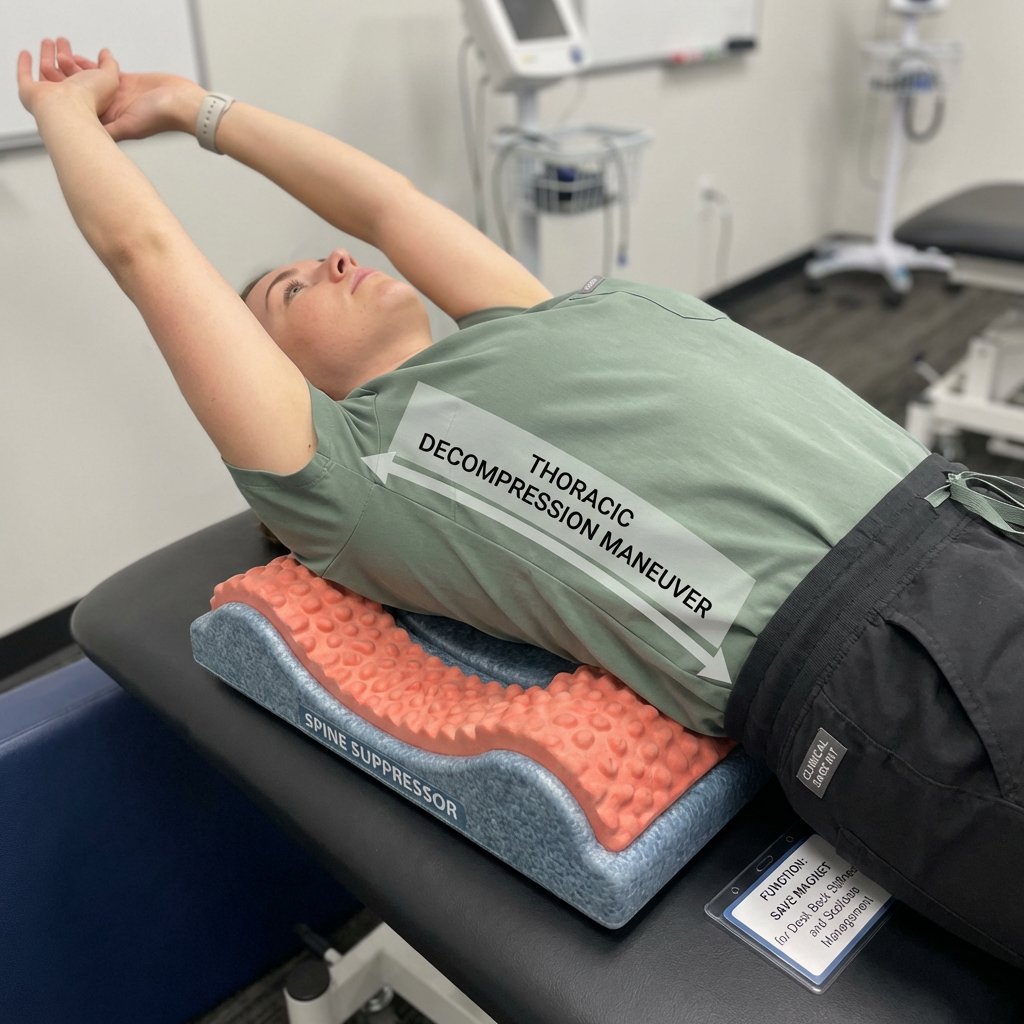
Functional close-up: Thoracic Decompress on Spine Suppressor
Sophie's Deep Stabilisation Reset — Thoracic Decompress on Spine Suppressor
Standard Stretching Generic passive stretching bypasses deep stabilisation entirely — temporary relief, no lasting change.
Sophie's Deep Stabilisation Reset Thoracic Decompress on Spine Suppressor — precise, controlled activation that builds the functional stability your body needs.
02

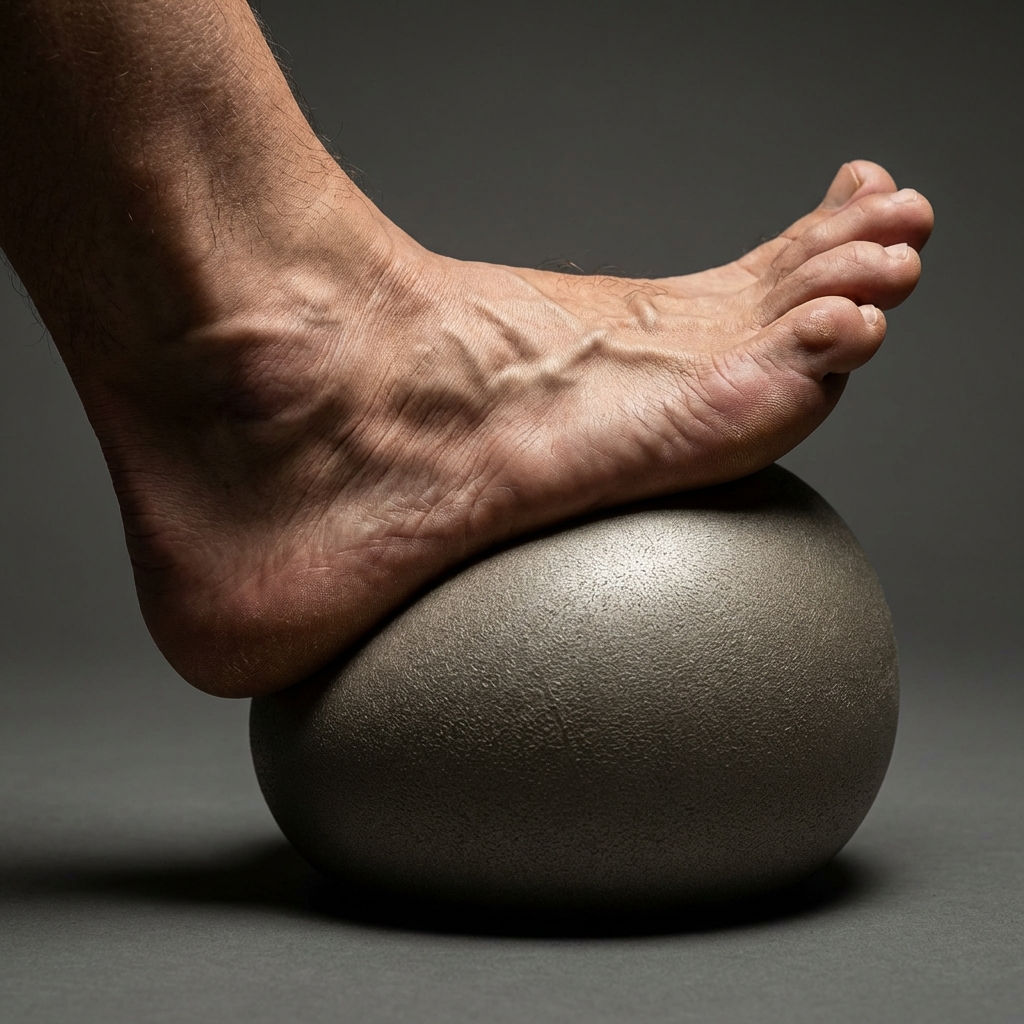
Foot Roll Articulation

Functional close-up: Foot Roll Articulation
Sophie's Deep Stabilisation Reset — Foot Roll Articulation
Standard Stretching Generic passive stretching bypasses deep stabilisation entirely — temporary relief, no lasting change.
Sophie's Deep Stabilisation Reset Foot Roll Articulation — precise, controlled activation that builds the functional stability your body needs.
03

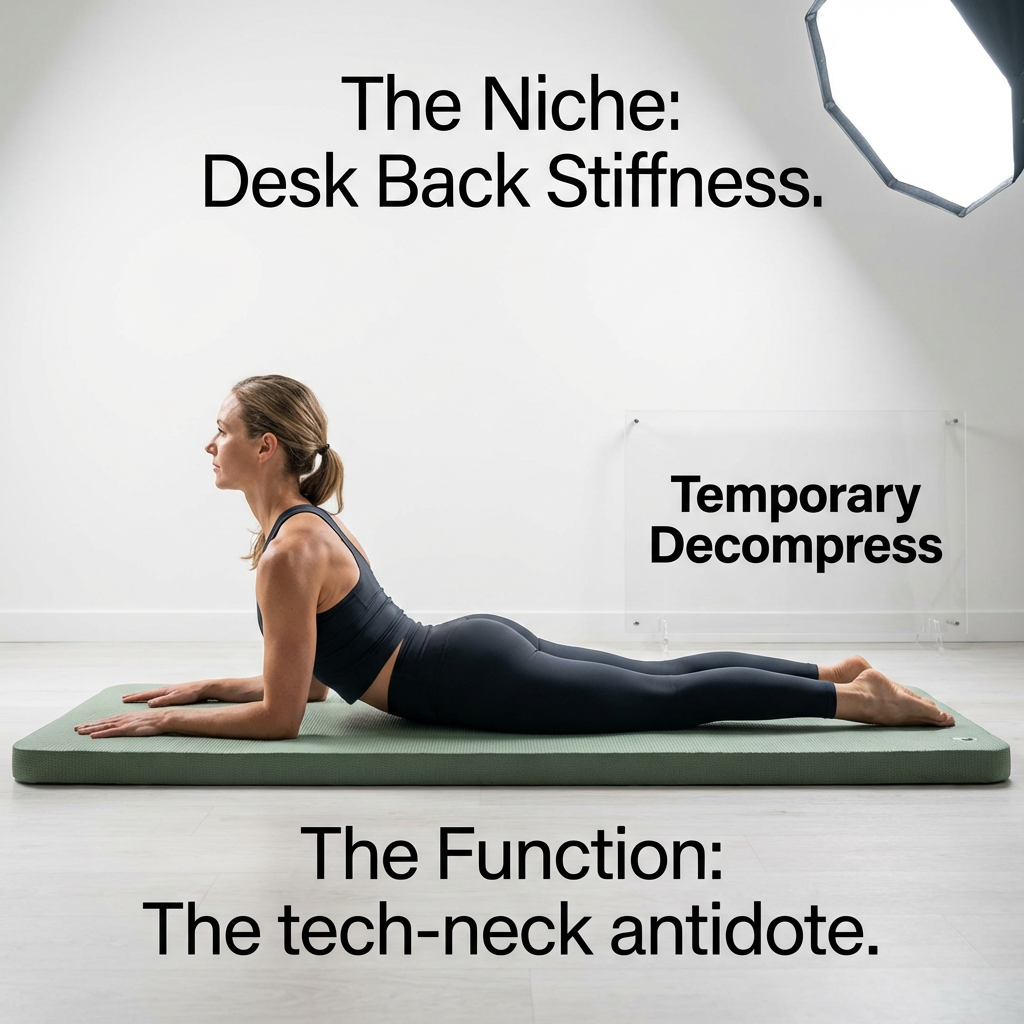
Desk Worker 'Swan'

Functional close-up: Desk Worker 'Swan'
Sophie's Deep Stabilisation Reset — Desk Worker 'Swan'
Standard Stretching Generic passive stretching bypasses deep stabilisation entirely — temporary relief, no lasting change.
Sophie's Deep Stabilisation Reset Desk Worker 'Swan' — precise, controlled activation that builds the functional stability your body needs.
04

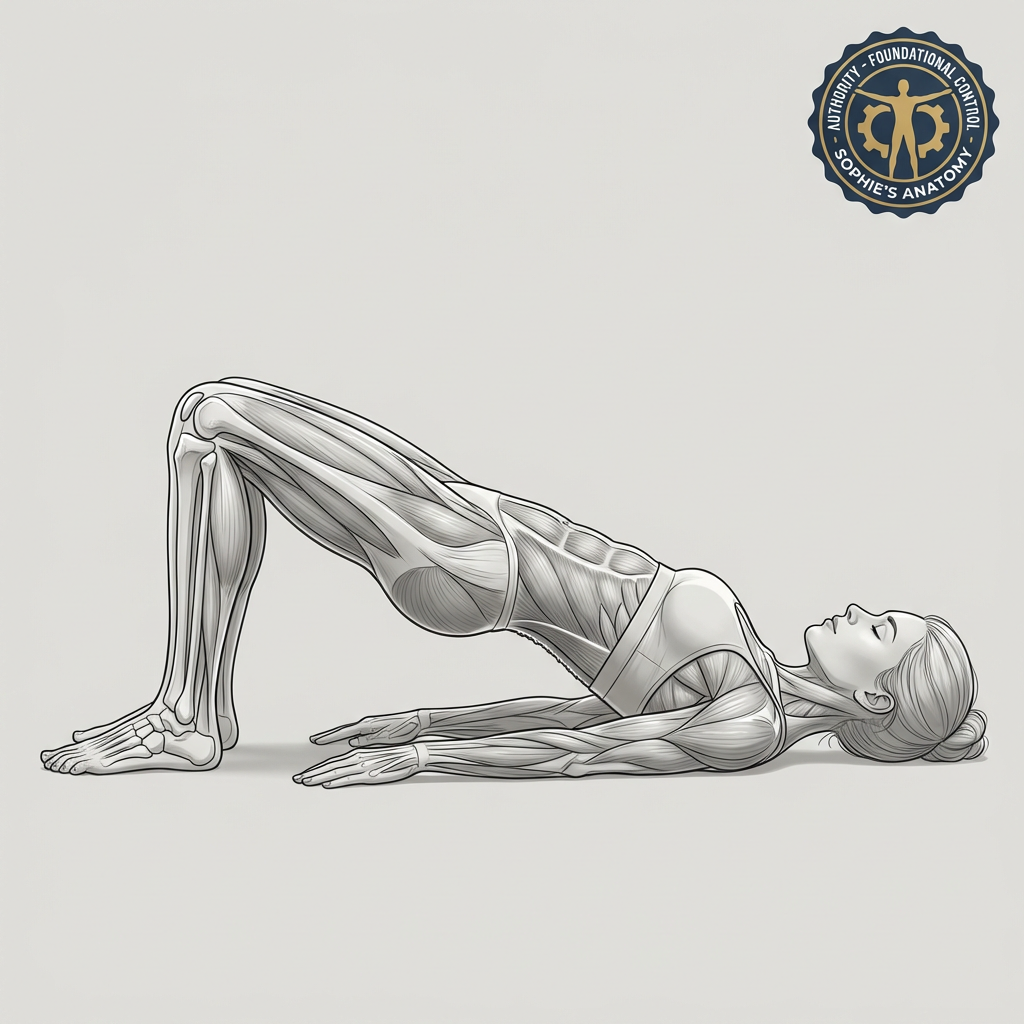
Supine Stable Pelvic Bridge

Functional close-up: Supine Stable Pelvic Bridge
Sophie's Deep Stabilisation Reset — Supine Stable Pelvic Bridge
Standard Stretching Generic passive stretching bypasses deep stabilisation entirely — temporary relief, no lasting change.
Sophie's Deep Stabilisation Reset Supine Stable Pelvic Bridge — precise, controlled activation that builds the functional stability your body needs.
🧬

Clinical Evidence: Pilates reduces lower back pain by up to 72% (Asik et al, 2025 RCT). NICE recommends Pilates as a first-line treatment for chronic lower back pain before medication.

If desk worker back pain overlaps with other back issues

Many people with desk worker back pain have related compensation patterns elsewhere in the spine. These comparisons walk through how Sophie's clinical Pilates protocols differ from generic stretching for each condition.

Browse the full library of evidence-based Pilates protocols for 35 conditions across back pain, sport-specific training, and post-surgical recovery.

Eight to ten hours per day in a chair is a body composition problem the spine wasn't designed for. The hip flexors shorten. The gluteals deactivate. The thoracic spine stiffens into a forward-rounded position. The neck pokes forward to read the screen. By 3pm every day the lower back is aching, the upper back is burning, and the neck is tight. Stretching at lunchtime feels like the obvious answer — but it rarely changes anything by the next morning.

Why the lunchtime stretch doesn't work

The desk worker's spine has two interconnected problems: muscles that have shortened from being held in one position for hours, and muscles that have become weak and under-firing from never being used. Stretching addresses one half — the shortened muscles — and does nothing about the other. The result is that the tight muscles immediately tighten back up as soon as you sit down again, because the muscles that should be holding you in good posture still aren't doing their job.

There's also a postural feedback problem. The forward-rounded thoracic spine has been your default for years; your nervous system thinks this is normal. Stretching for five minutes does not change what the nervous system considers normal. Within minutes of sitting back down, the body returns to the postural pattern it has spent thousands of hours rehearsing. Without active retraining, stretching is a brief interruption to a problem the body otherwise considers solved.

The final issue is sequencing. Many desk workers stretch the lower back because that's where the pain is. But the lower back's pain is almost always referred — the actual mechanical problem is upstream (a stiff thoracic spine that can no longer rotate, forcing the lumbar to compensate) or downstream (locked-up hips that no longer extend, tilting the pelvis and overloading the lumbar segments). Treating the symptom site fixes nothing.

What a desk-focused Pilates protocol does

A clinical Pilates protocol for desk workers addresses all four breakdown points at once: it restores thoracic mobility (so the upper back can extend and rotate again), reopens the hip flexors (so the pelvis can sit neutrally), reactivates the gluteals (so you have a foundation to sit and stand on), and rebuilds the deep core (so the spine has its corset of support back). Each of these is a small, specific intervention. Together they completely change what your spine experiences during a workday.

The protocol is also built specifically for the desk worker's reality. Sessions are 20 minutes, which fits in a lunch break or before/after work. The protocol includes a 4-minute mid-day reset routine that can be done at the desk in office clothes — no equipment, no changing, no shoes off. By week 3, most desk workers report that the 3pm lower back ache has shifted from daily to occasional. By week 6, it's typically gone, and posture has visibly changed.

Crucially, the protocol does not require you to sit less. The reality of office work is that you will sit. The protocol teaches your body how to sit better, and how to reset between sittings — which is a much more sustainable strategy than trying to stand all day at a converted desk.

A session, built for a desk schedule

Sessions are 20 minutes, ideally three to four times per week. Plus a 4-minute mid-day reset done at the desk.

01
Thoracic mobility opener (5 min)
Thoracic decompress over a roller (or rolled towel), open-book rotations, cat-cow. Restores the mid-back mobility that desk work erodes.
02
Hip flexor and front-line opening (5 min)
Supported lunge position with active glute engagement, supine 90/90 hip mobiliser. Reopens what eight hours of hip flexion has shortened.
03
Glute reactivation (5 min)
Bridge variations, side-lying glute medius work, hip hinge patterning. These wake up the muscles that should be supporting your seated posture.
04
Deep core and breath (4 min)
Transversus abdominis activation, 360-breathing. The corset that holds the new posture in place once you sit back down.
05
Standing posture reset (1 min)
A 60-second postural integration sequence — tall standing, gentle thoracic extension, scapular setting. This is the cue you take to your desk.

Side-by-side: stretching vs Sophie's Pilates protocol

Standard stretching
Sophie's clinical Pilates
Addresses tight muscles
Yes — but only temporarily.
Yes — and restores the strength that prevents re-tightening.
Addresses weak muscles
No.
Reactivates the dormant glutes, deep core, and thoracic extensors.
Changes default posture
No.
Yes — the new pattern becomes the new normal over 4–6 weeks.
Time at the desk
Brief; same posture problems return immediately.
Includes a 4-minute desk reset that keeps the new patterns active.
3pm lower back ache
Same pattern every day.
Typically shifts from daily to occasional by week 3, gone by week 6.

Is this protocol right for you?

Good fit if
  • Office workers, remote workers, students — anyone sitting 6+ hours per day
  • People with low-grade daily back, neck, or shoulder tension
  • Anyone whose posture has visibly worsened over the past few years
  • People who tried lunchtime stretching with no lasting result
  • Anyone preparing to switch to a standing desk who needs the postural foundation first
Hold off / see a clinician if
  • Acute disc injury or significant radicular pain — use the herniated disc protocol or see a clinician
  • Diagnosed cervical disc problems with arm symptoms — needs medical evaluation first
  • Anyone post-cervical-spine surgery without clearance
Recommended protocol

Sophie's Complete Desk Worker Back Pain Protocol

6-week progressive programme · 28 clinical exercises · Weekly schedules · Recovery tracker

What's inside

  • All 28 exercises photo-demonstrated, with detailed cues
  • Phased progression: decompression → stabilisation → integration
  • Weekly milestones and printable workout logs
  • Contraindication list specific to this condition
  • Built for home practice on a mat — no studio required
“I was doing yoga stretches at my desk for two years with no real change. The 5-minute reset routine actually moves the thoracic spine — felt the di...” — Marcus T., Manchester, UK · Stiffness gone within 5 days (After 1 week)
$67 $27 Save $40
Get the full Desk Worker Back Pain protocol →
2,347+ Downloads
96% Satisfaction
4.9 Across 200+ reviews

7-day money-back guarantee · Instant PDF download

Frequently asked questions

Can I do the protocol at the office?
The main session needs a mat and ~20 minutes — best done at home morning or evening. The mid-day desk reset (4 minutes) is specifically designed for the office: it can be done at the desk in office clothes without shoes off, mat, or equipment. Most desk workers find this reset is the single highest-leverage piece of the protocol once they're doing it daily.
What if I have a standing desk?
Standing desks help with hip flexor shortening but introduce their own problems — particularly anterior pelvic tilt and lower back compression from prolonged standing. The protocol accounts for this and includes specific positional advice for standing-desk users. The exercises are the same; the desk-reset routine adapts to standing posture cues.
My neck and upper back are worse than my lower back. Is this the right protocol?
This protocol addresses both — but if upper-body symptoms dominate, the dedicated Neck & Upper Back protocol may be a better fit. It has more thoracic-specific work and includes deep neck flexor activation. If your symptoms are about equal between lower and upper back, the desk-stiffness protocol is the broader fit.
How long until I see my posture change?
Most people see visible posture change in mirror and photo comparisons within 3–4 weeks. The feeling of "having to remember" to stand up straight typically fades by week 5–6 — the new posture becomes the default that the nervous system maintains automatically.
Will it help with headaches?
Tension-type headaches that originate from upper back and neck tightness frequently improve substantially through the protocol, often noted by week 2–3. The mechanism is the reduction of upper trapezius and suboccipital muscle overload as posture changes. If your headaches are migraine-pattern or have other features, see a clinician — the protocol addresses musculoskeletal headaches specifically.
Do I need any equipment?
A mat is sufficient. A foam roller is recommended for the thoracic mobility work (a rolled bath towel substitutes well). No other equipment is needed.
How does this compare to yoga?
Yoga is excellent for flexibility and breathwork. For desk-posture problems specifically, clinical Pilates has two advantages: more emphasis on motor-control retraining of the deep core (the muscles that hold posture between sessions), and more thoracic-extension-biased work (yoga is often flexion-heavy through forward folds, which can reinforce the desk pattern). Many people find Pilates plus yoga is the strongest combination once the postural foundation is built.
Pilates vs Stretching for Desk-Worker Back Pain Protocol — $27 Get the Desk Workers Back Pain program →